
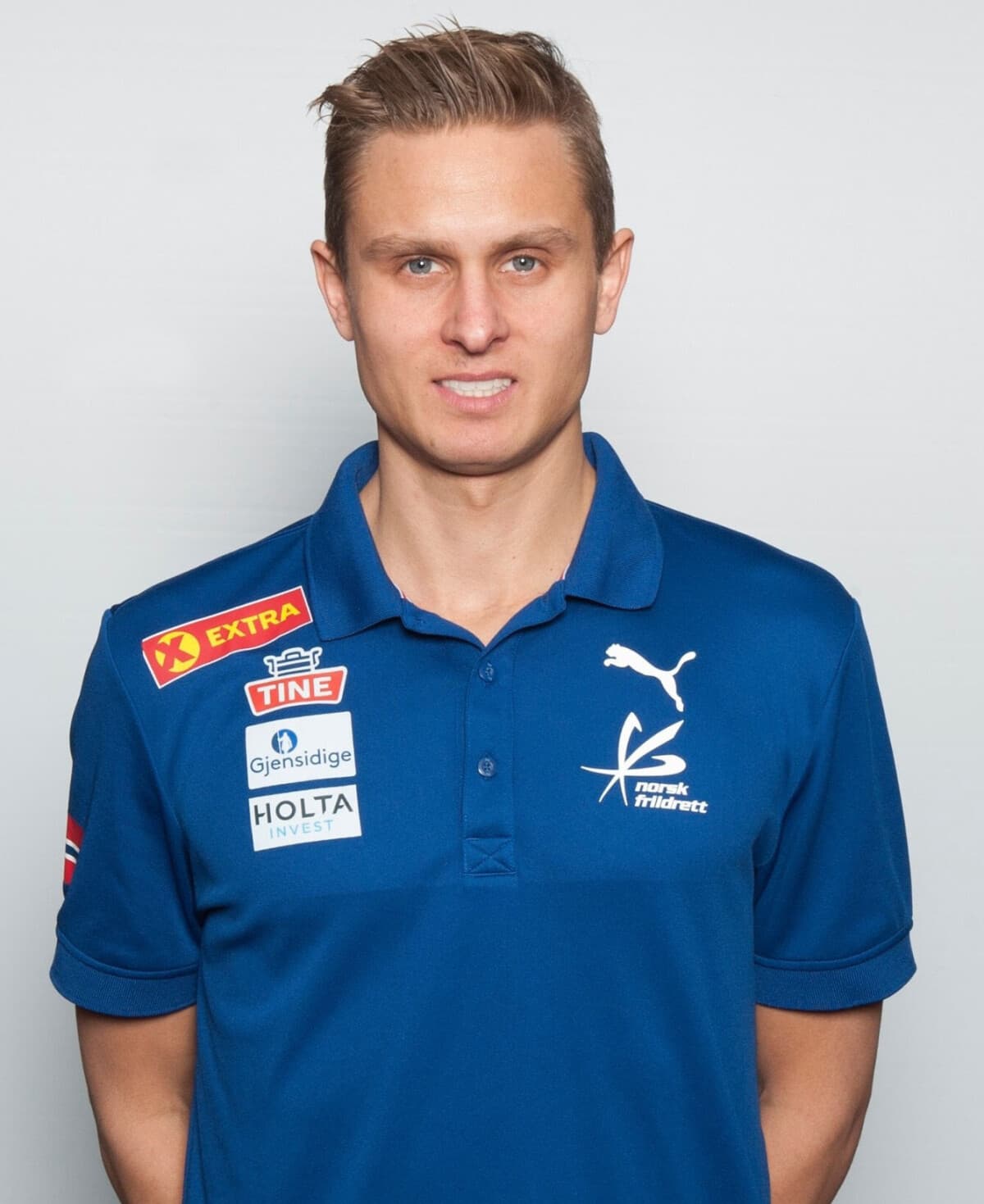
Ola Sakshaug has been coaching distance runners in Trondheim for years. Over that time, his group has grown — more athletes, more sessions to plan, more data to keep on top of. For a long time, he managed everything through a combination of spreadsheets, notes, and a lot of mental overhead. It worked, but it was draining.
Coaching at this level is about more than writing a training plan. It's about understanding where each athlete is physically and mentally, adjusting load in real time, and spotting early warning signs before a niggle becomes an injury. That's hard to do when your data is scattered across five different spreadsheets.
Keeping track of multiple athletes at once
The challenge with coaching a group is that everyone is at a different stage. One athlete might be in a heavy build phase, another is coming back from illness, a third is peaking for a race in two weeks. Trying to hold all of that in your head — or across separate files — is a recipe for missing something important.
“I coach a group of talented juniors and the training overview makes it simple to keep track of everyone's volume and recovery,” Ola says. “It saves me hours every week.”
That overview is one of the things that makes SessionsAI genuinely useful for coaches. Rather than opening a new tab for each athlete, Ola can see the full picture of what his group has been doing — who's carrying fatigue, who's had a light week, who might need a conversation before the next hard session.
Planning for a group without losing the individual
One of the hardest things about group coaching is that you're often working with a shared training program, but every athlete adapts to it differently. Some thrive on high volume. Others need more recovery between quality sessions. A good coach knows these differences — but acting on them consistently, across a full group, is operationally difficult without the right tools.
Ola uses SessionsAI to build templates that form the backbone of his group sessions, then adapts them for each athlete individually. The AI assistant helps him think through load management, flag potential recovery issues, and suggest modifications when someone isn't responding as expected.
Less admin, more coaching
The thing Ola comes back to most is time. Coaching is supposed to be about relationships and conversations, not admin. When the logistics of tracking training eat into that time, the quality of coaching suffers.
SessionsAI handles the data side so he can focus on what actually matters — talking to his athletes, reading how they're feeling, and making good decisions about their training. The hours saved on spreadsheets are hours reinvested in coaching.
Results that matter
The proof is in his group. Athletes like Håkon Moe Berg and Magnus Øyen, who both train under Ola's guidance, have gone on to represent Norway at European level. That kind of development doesn't happen by accident — it happens through consistent, well-managed training over years, with a coach who has the tools to stay on top of every detail.
“The training overview gives me everything I need in one place,” Ola says. “I can see the full picture quickly, make adjustments, and move on. It's just a better way to coach.”